ARCHANGELS:
Jophiel and Michael
COLOURS:
pink to blood red
THE ORIGINS:
Origin and Reservoirs
Burma (Myanmar): Most valuable rubies, pigeon blood shade
Thailand: Dark red rubies (areas: Krat, Tschantabun, Bangkok)
Sri Lanka: Rose-red hue
Other countries: Madagascar, Tanzania, Afghanistan, Vietnam, Mozambique
.
Traditions and Symbolism
Always a symbol of power and protection, the Ruby was used by warriors and rulers. In Eastern cultures it is considered sacred and solar, known in Sanskrit as Ratnaraj, "King of Gems."
.
Identity
Ruby is a red variety of corundum, an extremely hard mineral (second only to diamond). Its deep red colour comes from the presence of chromium.
.
Uses and Traditions
Ancient uses:
Considered more valuable than diamond
Worn by warriors to become invincible
Associated with the Sun in Indian cultures
.
Sanskrit name: Ratnaraj ("King of Gems")
.
Historical names: Carbunculus (Latin), Anthrax (Greek)
.
Curiosities
Stone of the month of July
15th and 40th wedding anniversary stone
Luck stone of: Capricorn, Cancer (traditional), Leo (Vedic astrology)
.
Metaphysical Properties
Gems that go well with Ruby
Nature itself suggests harmonious combinations with ruby. Some stones are found naturally combined with it, creating both aesthetic and energetic synergies:
Zoisite + Ruby: green and red mixture said to help the spine.
.
Fuchsite + Ruby: useful combination to stimulate lucid dreams.
.
Kyanite + Ruby: energizing, enhances vitality. Blue kyanite, even on its own, pairs well with rubies.
.
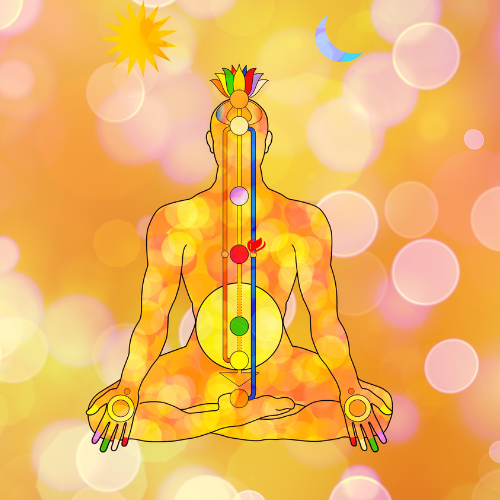
Chakra:
1st MULADHARA - the root
2nd SWADHISTHANA - the sacral
.
PROPERTIES, CHARACTERISTICS AND BENEFITS:
Cut and Shapes
Most common cuts: Oval, round
Other cuts: Cushion, emerald, cabochon (especially for rubies with asterism)
.
Chemical-Physical Characteristics
Mineral class: Oxides
Family: Corundum
Chemical formula: Al₂O₃ + Cr (aluminum oxide with traces of chromium)
Crystal system: Trigonal
Hardness (Mohs Scale): 9
Refractive index: 1.76 to 1.78
Density: 3.97 to 4.05 g/cm³
Pleochroism: Yes (orange-red, purple-red)
Fluorescence: Red under UV
.
Effects on Body and Psyche
Physical benefits:
Stimulates circulation and spleen
Strengthens the immune system
Useful against fatigue, detoxifies blood
Not recommended in cases of fever or hypertension
.
Psychic benefits:
Passionate and eternal love
Courage, vitality, inner strength
Stimulation of sexuality and creativity
Protection from negative energies
Stimulates energy, passion, motivation
Helps overcome apathy and shyness
Promotes concentration and spontaneity
.
USAGE:
Common uses:
Methods of Use
Wear in contact with skin
Use during meditation (pelvic area to stimulate energy)
Place it under the pillow to ward off nightmares
.
CLEANING AND RECHARGING:
Care and maintenance:
Cleaning: brief exposure under running water (without complete immersion), then dry thoroughly.
Recharging: via Reiki, violet flame, resting on amethyst or rock crystal druse, exposure to moonlight or sunlight (not direct).
When it loses its energy and breaks down, it should be returned to nature (sea or river).