



CHAKRA

€170.00

€270.00

€140.00

€167.00

€149.00

€176.00

€140.00

€220.00

€147.00
€260.00

€190.00

€190.00
.
The Meaning of the Term Chakra
The term chakra comes from the Sanskrit language and literally means "wheel" or "disk". In the spiritual tradition of India, chakras represent the main energy centres of the human body, considered as vortices of vital energy (prana) that influence both physical well-being and mental, emotional and spiritual health.
.
The Origins of the Chakras
The concept of chakras originated thousands of years ago in the ancient Vedic traditions of India. The first references are found in sacred texts called Upanishads and in yogic systems that connect mind, body and spirit. Although the best-known doctrines come from Indian culture, other philosophies, such as Buddhist and Taoist traditions, have developed similar views regarding the body’s energy centres.
Over time, knowledge of the chakras has been integrated into practices such as yoga, meditation, Ayurveda and holistic medicine, spreading also to the West, where today it is used to promote balance and harmony in daily life.
.
What Chakras Are and How They Work
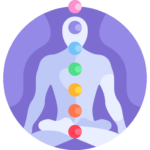
In the human body there are seven main chakras, arranged along the spine, from the coccyx to the top of the head. Each chakra is associated with a specific physical area, a psychological function and a colour.
When the chakras are open and harmonized, energy flows freely, bringing balance and vitality. Conversely, if a chakra is blocked or overactive, discomfort, fatigue, anxiety or illness can manifest.
.
.
Let’s look at each one in detail:
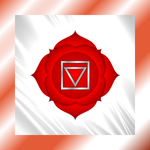
1st Chakra
Root (Muladhara)
Position: Base of the spine
Colour: Red
Element: Earth
Meaning: Represents the connection with the physical world, the sense of security and the need for survival.
Function: Stability, grounding, instinct, willpower
.
.
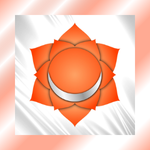
2nd Chakra
Sacral (Svadhisthana)
Position: Just below the navel
Colour: Orange
Element: Water
Meaning: It is connected to emotions, sexuality and creativity.
Function: Sensuality, pleasure, emotional expression, connection with others.
.
.
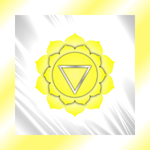
3rd Chakra
Solar Plexus (Manipura)
Position: Stomach area
Colour: Yellow
Element: Fire
Meaning: Centre of personal will, self-esteem and determination.
Function: Self-confidence, control, vital energy and motivation.
.
.
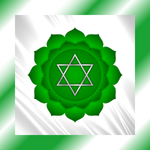
4th Chakra
Heart (Anahata)
Position: Centre of chest
Colour: Green (sometimes pink)
Element: Air
Meaning: Bridge between body and spirit, symbol of universal love.
Function: Compassion, forgiveness, emotional relationships, empathy.
.
.
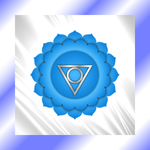
5th Chakra
Throat (Vishuddha)
Position: Throat
Colour: Light blue
Element: Ether
Meaning: Associated with communication and authentic expression.
Function: Truth, eloquence, listening, creative expression
.
.
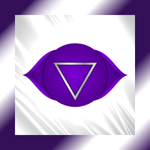
6th Chakra
Third Eye (Ajna)
Position: Between eyebrows
Colour: Indigo
Element: Light
Meaning: Represents intuition, inner wisdom and perception.
Function: Imagination, inner vision, mental clarity
.
.
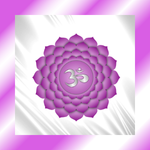
7th Chakra
Crown (Sahasrara)
Position: Top of the head
Colour: Violet or white
Element: Spirit
Meaning: Connection with the divine, higher consciousness and unity.
Function: Illumination, spirituality, cosmic awareness.
.
.
Harmonizing the Chakras: Why Is It Important?
When the chakras are balanced, energy flows smoothly and harmoniously, positively influencing every aspect of life. However, stressful events, repressed emotions or harmful habits can block one or more chakras, causing imbalances on a physical, mental or emotional level. Practices such as meditation, yoga, the use of stones and crystals, mantras, essential oils or visualization can help reactivate and harmonize each energy centre.
The chakras represent an ancient map of our inner energy. Understanding and working on these centres allows us not only to rebalance body and mind, but also to live with greater awareness, well-being and connection with our true self.
In a world where stress is constant, dedicating time to harmonizing the chakras can become a powerful tool for personal growth and healing.
.
.
.
. Although many people find benefits in using crystals, it is essential to remember that crystal therapy does not replace traditional medical care.
In case of health problems, it is always advisable to consult a qualified healthcare professional.
.









 WHO WE ARE